
If there’s grease in your kitchen, it usually means one thing:
you actually cook.
Not just reheating food, but frying, sautéing, simmering — daily cooking, family meals, weekends, holidays. Real life.
And yet the frustration is almost universal.
You clean the kitchen. You invest time. You scrub.
A day or two later — everything feels sticky again.
Cabinet doors leave an unpleasant film on your fingers.
Handles feel greasy even though you “just cleaned.”
The range hood looks darker than it should.
The backsplash above the stove has that dull, yellowish layer.
At some point, people start wondering:
“Am I doing something wrong?”
The answer, in most cases, is no.
This exact problem is one of the main reasons people reach out to us at Green Cleaner, and it’s why we talk about it openly on our main English page:
https://green-cleaner.nikk.co.il/en/
Why Kitchen Grease Is Not “Just Dirt”
Kitchen grease isn’t a simple stain you can wipe away.
It’s a combination of:
hot oil
steam
microscopic food particles
dust
time
During cooking, steam rises, cools down, and settles on surfaces.
Cabinets.
Walls.
The range hood.
The backsplash.
At first, the layer is thin.
Then it becomes sticky.
Then it starts attracting more grease on top of itself.
In Israeli homes, this happens faster than people expect — frequent home cooking, warm climate, compact kitchens, and ventilation that isn’t always ideal.
So even if you clean “regularly,” the grease structure keeps rebuilding itself.
The Common Mistake: Why Regular Cleaning Doesn’t Hold
Most people follow the same pattern:
strong spray
hot water
sponge
more pressure
Sometimes the kitchen looks better — briefly.
Then the grease returns.
The reason is simple:
surface cleaning removes the top layer but doesn’t break down the grease underneath.
It’s like washing a window when the dirt is trapped inside the glass.
You’re working hard, but not where the real problem lives.
This Is the Same Pattern We See with Limescale and Mold
We see identical frustration with other household problems.
For example, limescale in showers: people scrub constantly, but the white residue keeps coming back. We break that down in detail here (Russian version):
https://green-cleaner.nikk.co.il/ru/limescale-in-the-shower-2/
Or bathroom mold, which returns because moisture and structure aren’t treated correctly — explained in our English article about mold in Israel:
https://green-cleaner.nikk.co.il/en/bathroom-mold-in-israel/
Kitchen grease follows the same logic.
If you don’t change the approach, the result won’t change either.
Where We Come In
At Green Cleaner, we don’t start by asking, “Which product should we use?”
We start with a different question:
Where exactly is the grease sitting, and why is it holding on?
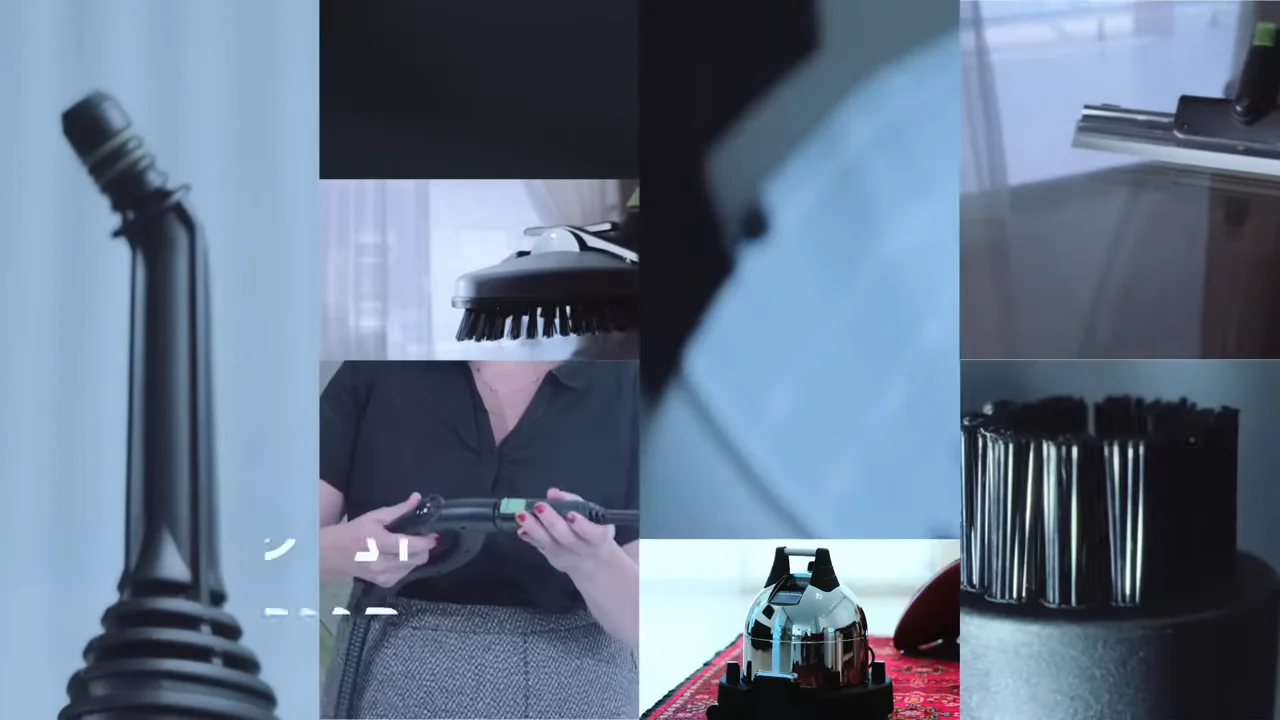
Our work is based on professional dry steam cleaning using the GENIUS system.
This is not a consumer steam gadget and not a chemical shortcut.
But the machine alone isn’t the solution.
The solution is the process.
How We Remove Kitchen Grease — Step by Step
Step 1: Surface Preparation
Before anything else, we remove loose residue: dust, food particles, fresh grease.
Without this step, nothing penetrates properly.
Step 2: High-Temperature Dry Steam
Dry steam softens and breaks the grease structure.
Instead of smearing it, the heat separates grease from the surface.
Step 3: Zone-Focused Work
We don’t “wipe the whole kitchen.”
We work by problem zones:
range hood
cabinets
backsplash
stove
Each surface behaves differently and needs a specific approach.
Step 4: Proper Drying
This is the step many people skip.
Leaving moisture behind means grease will return faster.
Drying is critical for lasting results.
The Most Problematic Areas in Any Kitchen
Range Hood
The most neglected spot.
External cleaning does almost nothing — grease accumulates inside.
Kitchen Cabinets
Hands + steam = sticky surfaces within days.
Especially noticeable on light-colored cabinets.
Backsplash Above the Stove
This area receives the first wave of steam and oil.
If not cleaned deeply, it yellows and becomes tacky.
Stove
Burned grease cannot simply be scraped off without damage.
It needs controlled breakdown, not force.
Why This Is Especially Common in Northern Israel
In northern areas, where home cooking is a daily routine and ventilation is often limited, grease buildup accelerates.
We regularly perform demonstrations in these regions, showing results directly in people’s kitchens — not in marketing photos.
What You Can Do Yourself to Slow Grease Return
These steps won’t replace deep cleaning, but they help:
wipe cabinets with a dry cloth every couple of days
turn on the range hood before cooking starts
ventilate while cooking, not after
don’t postpone hood cleaning for “next week”
Small habits extend big results.
FAQ — Questions People Actually Ask
Why does grease come back so quickly?
Because it was never removed from the deeper layers.
Can grease be removed without harsh chemicals?
Yes. Heat and steam break grease structure naturally.
Does vinegar help?
Only with fresh grease — and only temporarily.
Is this safe for rental apartments?
Yes. We don’t scratch or damage surfaces.
Want to See It on Your Own Kitchen?
We offer a free, no-obligation demonstration.
No sales pressure. No guessing.
We come to your home, treat a real problem area, and you decide if the result works for you.
Many families choose to do this before weekends, holidays, or major cleanups — when the kitchen truly matters.
The Bottom Line
Kitchen grease is not a sign of neglect.
It’s a sign of real life.
But once the approach changes, the kitchen stops feeling like a constant battle.
And that’s exactly what we help with — every day.